
Art, Immigration, and Our Shared History: MoMA Explores the Intersections of American Folk Art and Early Feminist Cinema
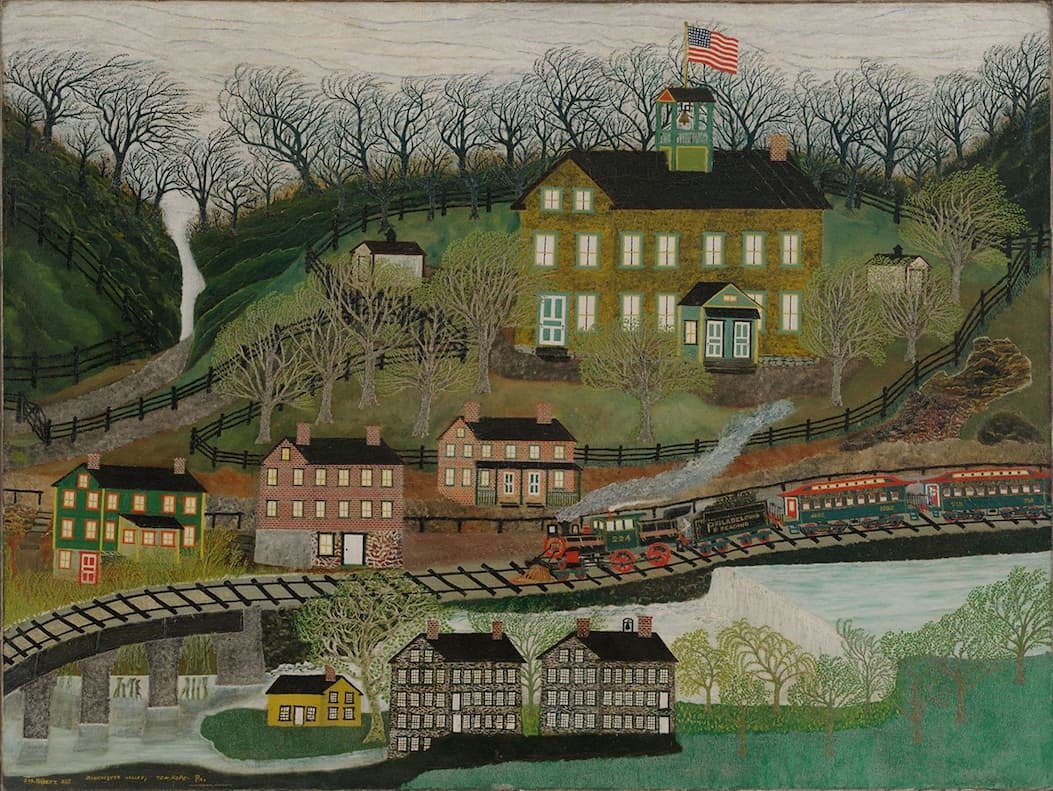
Photo: Courtesy of MoMA Exhibition Archives / New York 2026
When The Museum of Modern Art (MoMA) opened its doors in New York, it did so a little more than 150 years after the signing of the Declaration of Independence. Now, on the semiquincentennial (250th anniversary) of the United States, the museum is inviting global audiences to step into a deeply interconnected, diverse history of American creation.
This summer, MoMA is orchestrating a beautiful dialogue between its foundational roots and its moving images. By pairing the historic exhibition American Folk Art: Revisiting the Collection of Abby Aldrich Rockefeller with its summer-long film retrospective Immigrant Nation: People in Transit, the museum highlights how displaced communities, cherished visual traditions, and forgotten immigrant pioneers have continuously reshaped the very definition of American culture.
The Lineage of Craft: Revisiting Abby Aldrich Rockefeller's Collection
At the heart of MoMA's summer programming is the return of Abby Aldrich Rockefeller's iconic collection. An avid patron and co-founder of the museum, Rockefeller saw a profound, kindred connection between traditional American folk art and the modern visual styles brought over by early 20th-century immigrant artists:
The Historical Mirror: In 1932, MoMA organized a groundbreaking exhibition linking these colonial and contemporary lineages. This summer, many of those original works return—including intricate quilts, weathered weathervanes, traditional jugs, and decorated birth certificates.
The Immigrant Influence: The collection showcases how early immigrant artists infused their ancestral artistic traditions into the physical craft of their new homeland, creating a permanent visual language of American resilience.
The Spotlight: Alice Guy Blaché and Early Feminist Cinema
Running parallel to these tactile crafts is the cinematic exploration of the diaspora through Immigrant Nation: People in Transit. This week, the museum is shining a much-deserved spotlight on Alice Guy Blaché one of the most prolific yet historically overlooked trailblazers in early cinema:
Filmmaker ProfileHistoric AchievementsStrategic ImpactAlice Guy Blaché (Arrived in US in 1907)Present at the world's first movie screening; directed over 100 films in Europe before immigrating.Established her own independent production studio in New Jersey, creating some of the earliest, strikingly feminist films in cinematic history.
Despite her massive, foundational contributions to the evolution of film storytelling, her name was largely erased from mainstream cinematic history. This summer, MoMA returns her trailblazing work directly to the screen, restoring her legacy as a visionary director who truly understood the future of visual narrative.