
Celluloid Cartographies: MoMA Launches Monumental ‘Immigrant Nation: People in Transit’ Film Retrospective
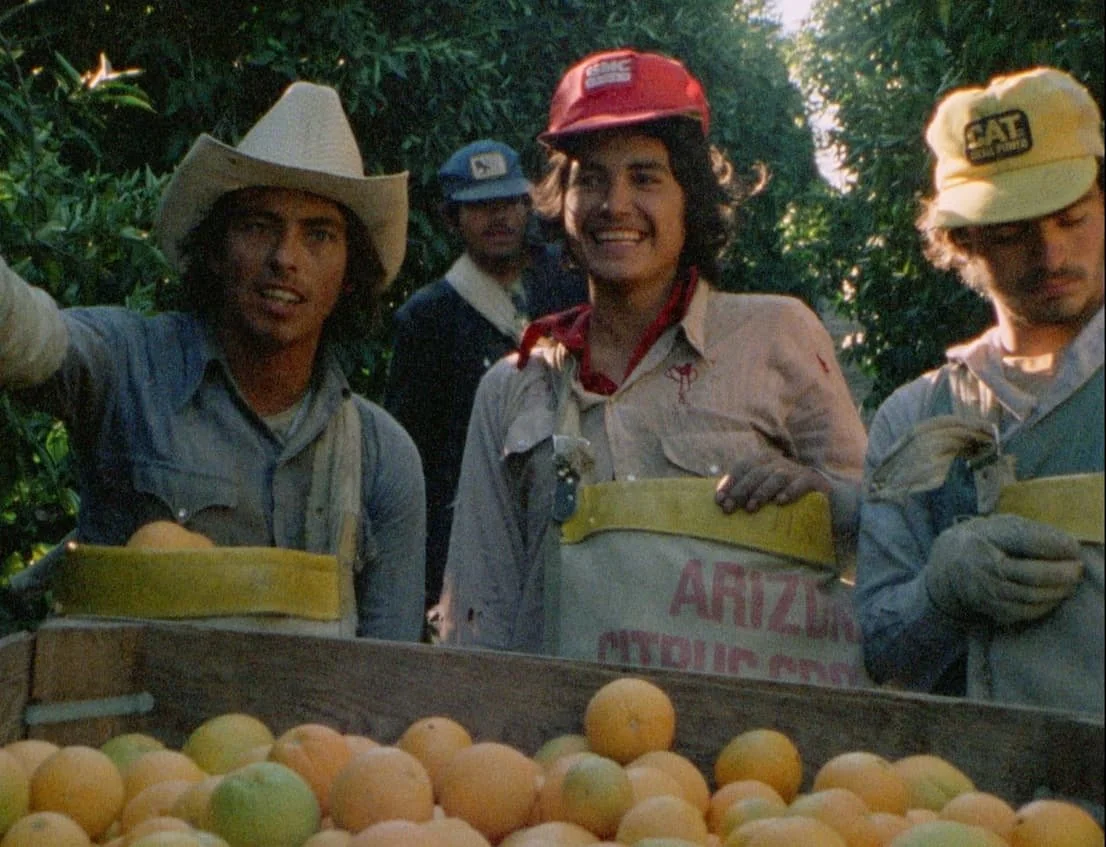
Photo: Courtesy of MoMA Film Press Office / @MoMA 2026
In the landscape of global cultural preservation, cinema operates as the definitive archive of human movement a moving testament to the collective maps, languages, and identities that cross borders every day. This week, The Museum of Modern Art (MoMA) in New York officially unveiled one of its most ambitious public screening series of the decade: "Immigrant Nation: People in Transit."
Running from July 3 through September 9, 2026, this expansive, multi-month exhibition serves as a centerpiece of MoMA's strategic programming aligned with the 250th anniversary of the United States.
By bringing together over 100 international feature films and shorts, the curation completely moves away from clinical, political headlines. Instead, it positions the screen as a fluid mirror reflecting the profound human grit, dislocation, and community-building that emerge from the continuous dream of a better future.
The Paradigm of Transit: Cinema as a Cross-Cultural Construct
The core thesis of the Immigrant Nation curation rests on a profound truth about the medium itself: films, much like our daily lives, do not exist in a cultural vacuum. They are inherently the result of an incessant flow of personal exchanges, language blends, and overlapping origins.
MoMA’s curatorial team has meticulously structured the 100+ titles to map out the entire emotional and physical anatomy of migration:
The Journey: A heavy focus is dedicated to the raw, kinetic experience of transit—tracking the physical corridors, oceanic crossings, and bureaucratic thresholds that people navigate in search of refuge and opportunity.
The American Experience: The series deeply investigates the complex reality of arriving and settling in the United States. It strips away over-simplified, polished Hollywood tropes to expose the authentic, working-class hustle, generational friction, and linguistic survival of diasporic communities.
The Emergence of Dream Spaces: Beyond the immediate hardships of displacement, the films highlight the beautiful, organic cultural synthesis that occurs when displaced individuals gather—creating new spaces through shared food, music, and collective resilience.
“Films emerge from multiple cultures, languages, and origins—they are the result of an incessant flow of personal exchanges.” — MoMA Film Curation
The Curatorial Matrix: Over 100 Voices in Motion
To help film purists, researchers, and cultural curators navigate this massive, multi-month cinematic rollout, the museum has organized the programming into distinct visual and thematic zones:
Curatorial CategoryCinematic FocusStructural IntentThe Historical ArchiveMid-century black-and-white masterworks, archival early-cinema shorts.Tracing the foundational European and Asian migration waves that built early American metropolitan centers.The Contemporary Transit2020s global indie drops, high-realism handheld docu-fictions.Investigating modern global borders, temporary detention architectures, and current geopolitical displacement.The Avant-Garde DiasporaExperimental video installations, poetic non-linear short subjects.Subverting traditional narratives to explore the internal, psychological weight of living "between two homelands."
A Summer of Dialogue and Collective Reflection
Because this retrospective directly coincides with the semi-quincentennial (250th anniversary) of the US, MoMA is expanding the experience far beyond the dark theater space. Throughout the summer, select screenings will be accompanied by live, in-person panel discussions featuring international filmmakers, social historians, and community organizers.
By gathering audiences in the heart of Manhattan to witness these 100+ global journeys, MoMA is transforming the act of film-watching into a collective civic ritual—validating the foundational diverse fabrics that continuously redefine the American narrative.