
The Pulsating Image: MoMA Presents the Radical Vision of Teo Hernández
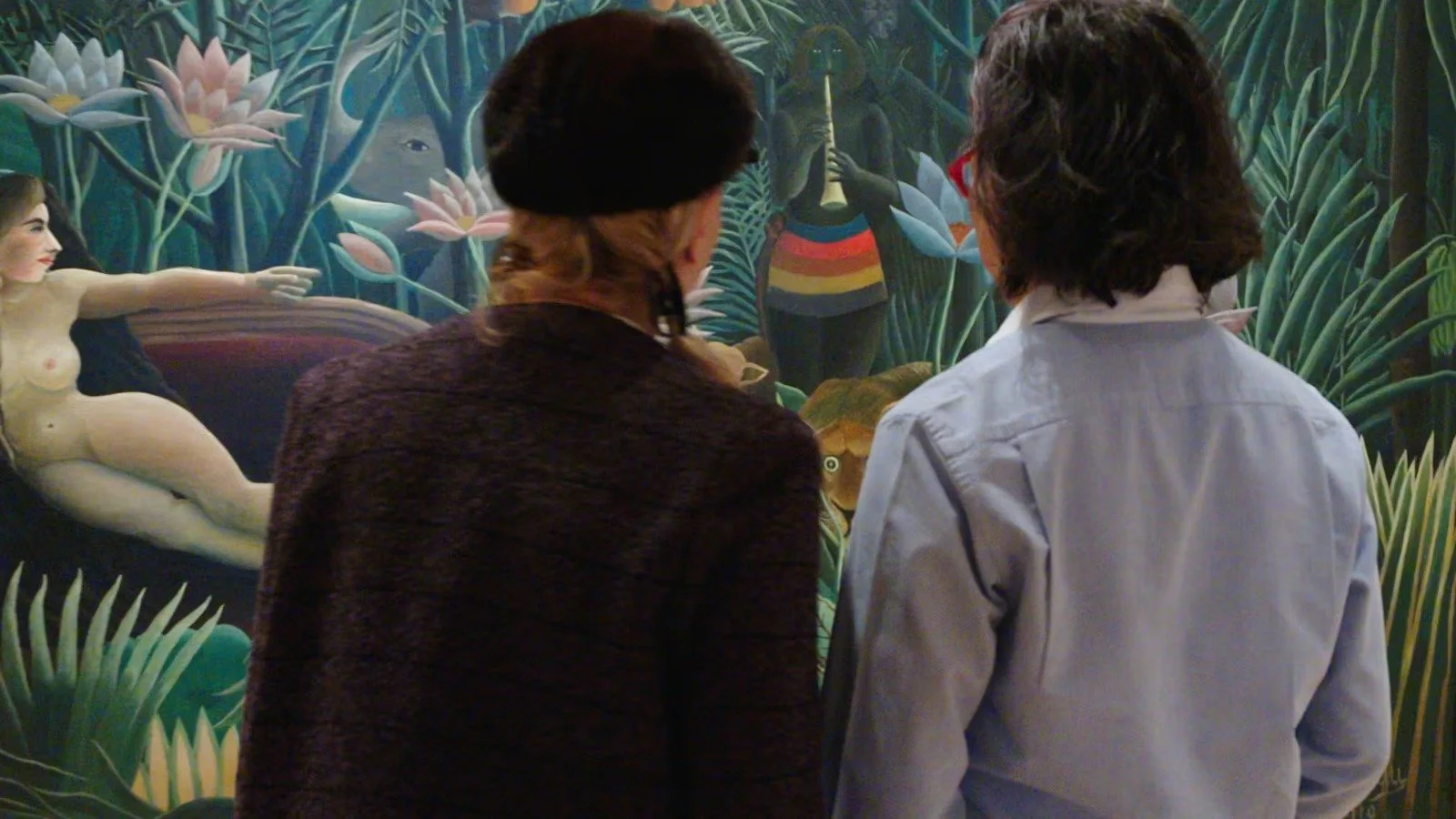
Photo: Courtesy of MoMA Film Archives 2026
Cinema has always been a medium of light and shadows, but for Teo Hernández, it was a "pulsating expression of life itself." This May, the Museum of Modern Art (MoMA) honors this towering figure of the Parisian avant-garde with a landmark series titled A Pomegranate Orchard and the Bitter Well. Running from May 14 to May 26, 2026, this retrospective marks the first monographic presentation of Hernández’s work in the United States, offering an intensive look at a filmmaker who pushed the limits of the moving image.
Photo: Courtesy of MoMA Film Archives 2026
A Legacy of Zeal and Desire
Though his career spanned only 23 years, Teo Hernández a central architect of Paris’s queer avant-garde scene in the 1970s and ’80s produced a monumental body of work. His filmography, consisting of over 150 Super 8mm films, is a visceral testament to the idea that myth and desire are not distant concepts but are "inextricably knit into our everyday lives."
Hernández’s style was notoriously tactile. He didn't just want audiences to watch his films; he wanted them to feel them. His use of the Super 8mm format allowed for an intimacy and a rhythmic, almost breathing quality that affected both the body and the spirit of the spectator.
A Curated Journey Through the Avant-Garde
The MoMA series comprises 19 carefully selected films that showcase the evolution of Hernández’s craft. The programming is designed to highlight the breadth of his experimental spirit:
Mythological Roots: The series features early works inspired by folkloric and mythological iconographies, where Hernández reimagined ancient stories through a modern, queer lens.
The Ecstatic 1980s: A significant portion of the presentation focuses on his later work, including "ecstatic variations" on autobiography and portraiture. These films capture the energy of city rambling and the fluidity of dance, reflecting his obsession with movement.
Collective Creativity: The retrospective also highlights his collaborative efforts as part of the collective MétroBarbèsRochechou Art, showcasing how his individual vision merged with a broader movement of radical artistic expression in Paris.
Why This Series Matters Now
In an era dominated by high-definition digital perfection, Hernández’s grain-heavy, rhythmic Super 8mm work serves as a reminder of the raw power of the medium. His films are sensory experiences that challenge traditional narrative structures, opting instead for a cinema of sensation and "zealous desire."
For film historians, students of the avant-garde, and those interested in the history of queer cinema, A Pomegranate Orchard and the Bitter Well is an essential cultural event. It provides a long-overdue spotlight on a creator who viewed the camera as an extension of the human soul.
Planning Your Visit
The series will be screened at MoMA’s dedicated film venues. Given the rarity of these prints and the significance of this being his first US monograph, early ticket booking is highly recommended for the May 14–26 window.