
The Weekender: Hollywood’s Echoes, Maker Culture, and the Curious Case of the Ostrich
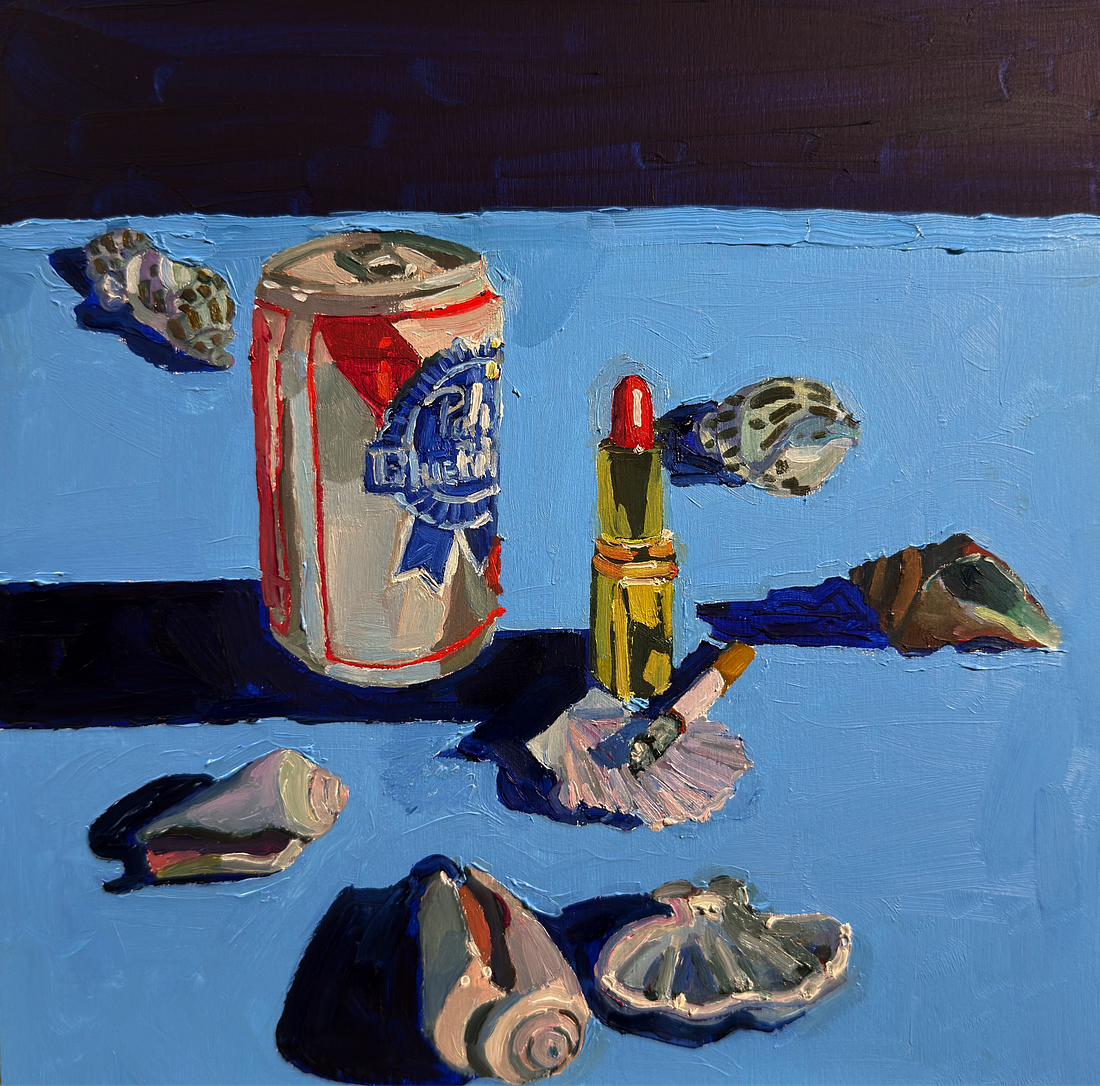
Painting by Erika Lee Sears; Photography by Brandon Tobiassen
The cultural landscape of creativity and technology continues to evolve, and this week’s reflections capture that transition across multiple worlds—from Hollywood’s changing studio lots to the philosophy behind emerging tech culture. As award season arrives with the excitement surrounding the Academy Awards, conversations about the entertainment industry’s future have become just as prominent as the films themselves. Writers and creators are reflecting on how industries that once felt vibrant and communal are transforming in the face of new technologies, economic shifts, and cultural changes.
For decades, the dream of making it in Hollywood meant relocating to Los Angeles, where film and television production formed one of America’s most influential creative ecosystems. Studios buzzed with activity, from actors and directors meeting at commissaries to crew members moving between sets. Many writers and filmmakers believed that simply being there—sharing spaces with fellow creatives—was essential to building a career in entertainment.
Today, however, that ecosystem is evolving. Fewer productions take place on traditional studio lots, and the sense of a centralized creative hub has begun to fade. The once-crowded spaces of major studios can feel quiet, even eerie. For veterans of the industry, this shift represents more than a logistical change; it marks the end of an era when creative collaboration thrived in physical proximity and the film industry felt like a tightly connected community.
Outside Hollywood, another transformation has been unfolding in the world of technology and innovation. Observers of modern AI culture often compare it to earlier grassroots movements that celebrated experimentation. One particularly striking parallel is the Maker Movement of the mid-2000s, a period when hobbyists and innovators embraced tools like affordable 3D printers and electronics kits to explore the act of building.
The Maker Movement emphasized the creative process over the final product. Enthusiasts often produced playful or impractical objects—sometimes jokingly called “crapjects”—simply to experiment with technology and learn by doing. Influential voices such as Chris Anderson and Cory Doctorow helped popularize the philosophy that making things could transform individuals into more inventive, entrepreneurial thinkers.
Scholars later examined this mindset through a broader cultural lens. Media researcher Fred Turner argued that the movement echoed older narratives of frontier exploration, where individuals believed that mastering new tools could lead to personal reinvention. According to this view, technological experimentation becomes a kind of modern frontier—an environment where curiosity, persistence, and creativity shape the future.
Beyond technology and entertainment, even the natural world offers unexpected insights into creativity and adaptation. Consider the ostrich, a creature that challenges traditional expectations of what a bird should be. Though it cannot fly, the ostrich thrives through speed and resilience, demonstrating that evolution does not always follow the paths humans assume are ideal.
From studio backlots to DIY workshops and even the animal kingdom, these stories highlight a shared theme: innovation often emerges in unexpected forms. Whether through new technologies, changing industries, or unusual creatures, the act of adapting—of building, experimenting, and redefining possibilities—remains at the heart of creative culture.