
ANIMALIA: Animals Between Art and the Psyche — A New Online Lecture Series
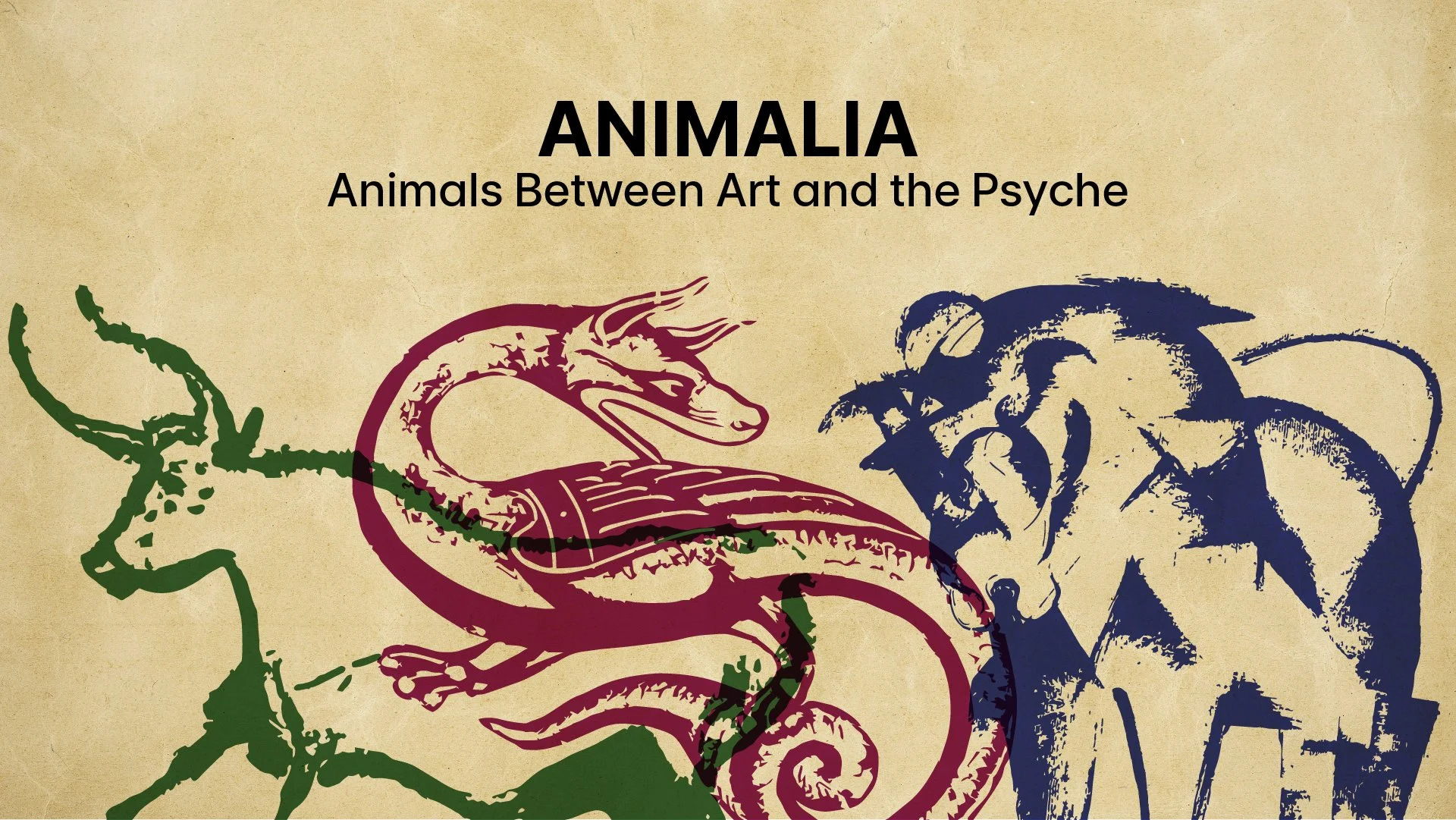
Photo Credits: Peggy Guggenheim Collection, Venice.
The Peggy Guggenheim Collection is set to launch a fascinating online art history lecture series titled ANIMALIA: Animals Between Art and the Psyche, beginning on March 16 at 7 pm (Zoom). This new program invites art enthusiasts, students, and researchers to explore how animals have appeared in artistic expression across centuries, from symbolic figures in medieval manuscripts to powerful motifs in modern and avant-garde artworks. The first lecture of the series will be open to the public, offering an opportunity for a wider audience to experience this thought-provoking course.
Animals have long played an important role in visual culture. In medieval bestiaries, animals were often depicted as symbolic creatures representing moral lessons, religious ideas, or mythical stories. Over time, artists continued to incorporate animals in their work, transforming them into metaphors, companions, or dramatic protagonists within artistic narratives. These evolving representations reveal how artists have used animal imagery to reflect human emotions, beliefs, and cultural values throughout history.
The new lecture series is organized by art historian Luisa Fantinel, who brings together different intellectual perspectives to enrich the discussion. Through the course, participants will explore the relationship between animals and human psychology, examining how artists interpret animal forms to communicate complex emotional and symbolic meanings. The program highlights both famous masterpieces and lesser-known works, offering fresh insights into the artistic dialogue surrounding animals.
A unique aspect of ANIMALIA is its interdisciplinary approach. The lectures connect art history, neuroaesthetics, and psychoanalysis, creating a broader understanding of how viewers emotionally and psychologically respond to animal imagery in art. By exploring the intersection between artistic creation and the human mind, the course aims to deepen appreciation for how animals have influenced visual storytelling across generations.
The series also extends its exploration into twentieth-century artistic research, where animals became central themes in modern and avant-garde movements. Many of these artistic developments are reflected in works housed within the Peggy Guggenheim Collection, a museum renowned for its impressive holdings of modern art. By linking historical traditions with modern experimentation, the course demonstrates the enduring presence of animals in creative expression.
Although the full program will be conducted in Italian and reserved for museum members, the opening lecture will be accessible to the public, allowing anyone interested to join and experience the introduction to the series. Participants will have the chance to engage with experts, explore diverse artworks, and gain a deeper understanding of the psychological and cultural significance of animals in art.
Through this innovative lecture series, the Peggy Guggenheim Collection continues its mission of making art history accessible and engaging for global audiences. ANIMALIA: Animals Between Art and the Psyche promises to be an enriching journey that connects historical traditions, modern artistic experimentation, and the deeper psychological meanings behind one of art’s most enduring subjects.