
Cinematic Rebellion: The 83rd Venice Film Festival to Open with a 4K Restoration of Tinto Brass’s Pop Masterpiece ‘Deadly Sweet’
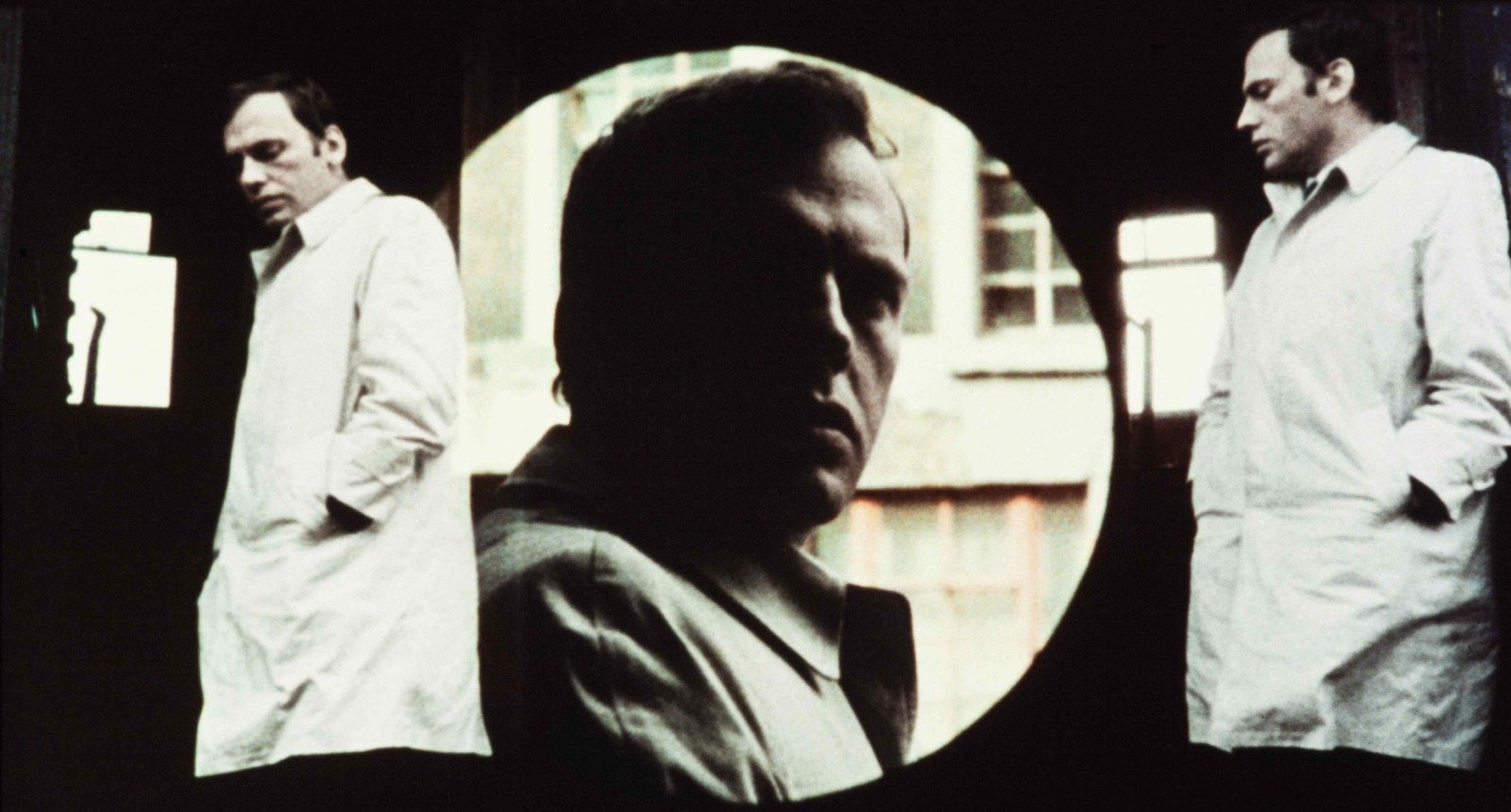
Courtesy of Fondazione La Biennale di Venezia / CSC Archives 2026
The intersection of historic avant-garde cinema, comic-strip surrealism, and modern digital preservation is taking center stage on the Adriatic coast. La Biennale di Venezia has officially announced the Pre-opening film for the upcoming 83rd Venice International Film Festival, running from September 2–12, 2026.
In a profound tribute to the legendary Venetian filmmaker Tinto Brass universally recognized as the nonconformist genius of Italian cinema the festival will host the world premiere of the newly restored digital 4K version of his iconic 1967 pop thriller, Deadly Sweet (Col cuore in gola).
Scheduled for Tuesday, September 1, 2026, at the Sala Darsena on the Lido di Venezia, this exclusive screening serves as a historical correction, reintroducing global film purists to the brilliant, hyper-stylized "London phase" of Brass's early career.
Photo: Courtesy of Centro Sperimentale di Cinematografia (CSC) / La Biennale di Venezia Press 2026
The Alchemy of the 4K Restoration
Originally presented Out of Competition at Venice in 1967, Deadly Sweet has undergone a monumental digital rebirth. The meticulous 4K restoration was carried out by the CSC-Centro Sperimentale di Cinematografia in Rome, utilizing raw materials provided by the rights holder, Compass Film.
Crucially, the preservation was completed with the vital support of Netflix, highlighting a continuous late-2020s trend where streaming giants invest heavily in backing physical archival film heritage.
Inside the Frame: Pop Art Meets Comic Strip Reality
Freely inspired by Sergio Donati's novel Il sepolcro di carta, Deadly Sweet is an adventurous thriller set against the swinging, contradictory backdrop of 1960s London. The narrative tracks a brief, strange encounter between a disenchanted man (played by the legendary Jean-Louis Trintignant) and a girl with no illusions (Ewa Aulin), unfolding entirely over a single day and night in front of a mysterious corpse.
"The pace of the film is adventurous... set against the backdrop of London which is absolutely ideal to convey a 'comic-strip' reality." — Tinto Brass, 1967
The Visual Framework: The Crepax Storyboard
What elevates Deadly Sweet into an absolute masterpiece of graphic cinema is its heavy reliance on pop-art aesthetics. For the project, Brass enlisted the genius of Guido Crepax, the highly popular Italian cartoonist famous for his psychological, sharp comic layouts.
Crepax served as the graphic consultant, creating a rare series of full-color illustrations for the action sequences. Brass famously utilized these vivid comic panels directly as his physical storyboard, turning the film into a living, moving collage reminiscent of Roy Lichtenstein or Robert Rauschenberg. The film treats its characters as stylized "objects" navigating a consumer-driven, hyper-visual imaginary landscape.
Tinto Brass: The Evolution of a Libertarian Maverick
Born in Milan in 1933 to a Venetian family, Giovanni "Tinto" Brass began his cinematic journey in Paris at the Cinémathèque française under Henri Langlois, serving as an assistant to Roberto Rossellini. His explosive 1963 debut, In capo al mondo, instantly brought him under fire from rigid state censors—triggering a lifelong battle to assert his nonconformist, libertarian vision.
While global audiences widely associate his later career with culturally-inspired, audience-acclaimed erotic classics like The Key (La chiave, 1983) and Salon Kitty (1976), his early 1960s catalog remains a brilliant testament to experimental editing, political satire, and pop subversion.
By anchoring the Venice Classics program with Deadly Sweet, the festival, directed by Alberto Barbera, reminds the global press that long before Brass investigated the boundaries of sexual liberation, he was rewriting the absolute visual vocabulary of the psychological thriller.